



Manila is a city of contrasts—historic walls stand beside modern buildings, centuries-old churches share busy streets with cafés and markets, and traditional Filipino food is served just minutes from lively entertainment districts. In 2026, the Philippine capital remains an exciting destination for travelers who enjoy history, culture, food, shopping, and local city life.
If you are planning a visit, here are the best things to do and places to explore in Manila.
1. Discover the History of Intramuros
Begin your Manila adventure in Intramuros, the historic walled city built during the Spanish colonial period. Walk along its cobblestone streets or join a guided walking, bicycle, or bamboo-bike tour.
Places to visit inside Intramuros include:
- Fort Santiago – A historic fortress connected to Philippine national hero José Rizal.
- Manila Cathedral – One of the country’s most important Catholic landmarks.
- San Agustin Church – A UNESCO World Heritage Site and the oldest stone church in the Philippines.
- Casa Manila – A museum showing the lifestyle of wealthy Filipino families during the Spanish era.
- Baluarte de San Diego – A peaceful garden and historic fortification ideal for photographs.
Visit early in the morning or late in the afternoon when the weather is cooler.
2. Walk Around Rizal Park
Located beside Intramuros, Rizal Park, also known as Luneta, is one of Manila’s most famous public spaces. Its main landmark is the Rizal Monument, which honors José Rizal.
The park is suitable for relaxed walks, family outings, photography, and learning about Philippine history. It is especially pleasant near sunset when the surroundings become cooler and more active.
3. Explore the National Museums
Travelers interested in Filipino heritage should visit the National Museum Complex near Rizal Park. It includes:
- National Museum of Fine Arts
- National Museum of Anthropology
- National Museum of Natural History
You can see important Filipino paintings, archaeological discoveries, traditional clothing, cultural objects, and exhibits about the country’s natural environment. Admission policies and opening schedules may change, so check the museums’ official information before visiting.
4. Go on a Food Trip in Binondo
No Manila visit is complete without exploring Binondo, widely recognized as the world’s oldest Chinatown. Its narrow and energetic streets are filled with restaurants, bakeries, shops, temples, and food stalls.
Popular dishes and snacks to try include:
- Fresh lumpia
- Dumplings
- Hand-pulled noodles
- Siopao
- Hopia
- Fried chicken
- Oyster cake
- Traditional Chinese-Filipino desserts
Start near Binondo Church and continue along Ongpin Street. A guided food tour is helpful, but you can also create your own tasting route by ordering small portions from several restaurants.
5. Visit Escolta Street
Once Manila’s leading commercial district, Escolta Street is known for its heritage buildings and creative community. Today, the area attracts photographers, history enthusiasts, artists, and visitors searching for a different side of the city.
Explore its restored structures, small galleries, cafés, antique shops, and occasional creative markets. Combine your Escolta visit with nearby Binondo and the historic Santa Cruz district.
6. Experience Quiapo
Quiapo offers an intense but fascinating look at everyday Manila. Its best-known landmark is Quiapo Church, home of the Black Nazarene, one of the most deeply honored religious images in the Philippines.
Nearby streets contain markets selling local food, clothing, religious items, household products, medicinal plants, and electronics. Dress modestly, protect your belongings, and explore with a local guide if it is your first time visiting a crowded Manila market.
7. Relax at Paco Park
For a quieter experience, visit Paco Park, a historic cemetery transformed into a beautiful public garden. Its circular walls, shaded paths, and old stone structures create a peaceful atmosphere away from Manila’s busiest streets.
It is a lovely place for couples, photographers, history lovers, and travelers who want a short break during a full day of sightseeing.
8. See Manila Bay at Sunset
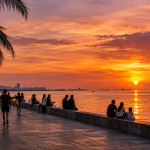
Manila Bay is famous for its colorful sunsets. Walk along the Baywalk area in the late afternoon and watch the sky change over the water.
Nearby attractions include the Cultural Center of the Philippines complex, restaurants, hotels, and entertainment venues. Some sections of the waterfront may be affected by improvement or reclamation projects, so check local access conditions before going.
9. Explore Manila’s Creative and Cultural Scene
Manila has a growing community of artists, musicians, performers, and independent creators. Look for exhibitions, theater productions, live music, cultural festivals, and weekend markets around the city.
Possible venues include museums, university theaters, galleries, the Cultural Center of the Philippines area, and independent spaces in Escolta and Malate. Event schedules change regularly, making it worth checking what is happening during your travel dates.
10. Shop Like a Local
Manila offers everything from traditional street markets to large shopping centers.
Popular shopping destinations include:
- Divisoria – Affordable clothing, accessories, decorations, fabrics, toys, and wholesale products.
- Tutuban Center – Convenient shopping near the Divisoria district.
- Robinsons Place Manila – A modern mall in Ermita.
- SM City Manila – A central shopping option near Manila City Hall.
- Quiapo Market – Local goods, household products, and budget finds.
Bring cash for traditional markets and be prepared to walk through crowded areas.
11. Taste Classic Filipino Food
Aside from Binondo’s Chinese-Filipino cuisine, try well-known Filipino dishes such as adobo, sinigang, kare-kare, sisig, pancit, and crispy pata. For dessert, enjoy halo-halo, leche flan, bibingka, or local ice cream.
Manila has historic restaurants, neighborhood eateries, food courts, street stalls, and modern cafés. Choose busy, clean establishments and drink bottled or properly filtered water.
12. Take a Ride on the Pasig River Ferry
The Pasig River Ferry can offer visitors a different view of Manila and nearby cities. It also provides an alternative way to reach selected areas while avoiding some road traffic.
Routes, operating hours, and service interruptions can change. Review the latest official schedule before including the ferry in your itinerary.
Suggested Three-Day Manila Itinerary
Day 1: History and Heritage
Start at Fort Santiago, explore Intramuros, visit San Agustin Church and Casa Manila, then continue to Rizal Park. Spend the afternoon at one or two National Museums and finish the day watching the Manila Bay sunset.
Day 2: Food and Local Culture
Begin with a Binondo food trip, walk around Escolta, and visit Santa Cruz or Quiapo. In the afternoon, shop at Divisoria or relax at a nearby café.
Day 3: Parks, Art, and Entertainment
Visit Paco Park and explore Ermita or Malate. Check out a museum, gallery, cultural performance, or local event before enjoying a Filipino dinner.
If you have additional time, explore other parts of Metro Manila, such as Makati, Bonifacio Global City, Quezon City, or Pasay. These destinations are outside the City of Manila but are easily combined with a longer capital-region trip.
Practical Manila Travel Tips for 2026
- Best time to visit: December to February generally offers cooler and drier weather.
- Getting around: Use trains, reputable ride-hailing services, taxis, buses, jeepneys, and ferries depending on your route.
- Traffic: Allow extra travel time, especially during morning and evening rush hours.
- Weather: Carry water, sunscreen, a small umbrella, and light clothing.
- Payments: Cards and digital payments are common in malls and established businesses, but cash remains useful in markets and small shops.
- Safety: Keep valuables secure, avoid displaying expensive items, and stay alert in crowded places.
- Connectivity: A local SIM or eSIM can make navigation and transport booking easier.
- Local conditions: Confirm current opening hours, transport schedules, entrance policies, and waterfront access before traveling.
Is Manila Worth Visiting in 2026?
Yes. Manila is worth visiting for travelers who want to understand the history, flavors, creativity, and everyday energy of the Philippines. It may feel busy and unpredictable, but that is also part of its character.
From the stone walls of Intramuros and the food stalls of Binondo to the museums near Rizal Park and the sunset over Manila Bay, the city rewards visitors who take time to explore beyond its surface. Manila is more than a gateway to the Philippine islands—it is a destination with a story of its own.