



Zamboanga City is one of the most colorful and culturally rich destinations in the Philippines. It is known for its pink-sand island, historic fort, bright vinta sailboats, Chavacano language, woven fabrics, fresh seafood, and mix of Christian, Muslim, and indigenous traditions.
The city is often called Asia’s Latin City because Chavacano has strong Spanish influences. A visit offers a travel experience that feels different from anywhere else in the country.
Before booking, check your government’s latest travel advice. Some foreign governments currently advise against travel to western Mindanao because of terrorism and kidnapping risks. Conditions can change, so coordinate with the Zamboanga City Tourism Office, use accredited operators, and follow local security instructions.
Here are the best things to do and places to visit in Zamboanga City in 2026.
1. Visit Great Santa Cruz Island
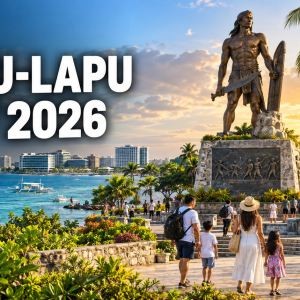
Great Santa Cruz Island is Zamboanga City’s most famous natural attraction. It is known for sand that appears pink because white sand is mixed with tiny pieces of red coral.
Visitors can enjoy the beach, swim in approved areas, explore the lagoon, and learn about the island’s ecosystem and local community.
Trips must be properly arranged. Contact the City Tourism Office and use an accredited boat operator. Do not travel to the island independently.
2. Join a Lagoon Tour
One of the most interesting activities on Great Santa Cruz Island is a guided tour through its mangrove lagoon.
Local guides may explain the importance of mangroves, seagrass, marine animals, and traditional community practices. Wildlife sightings depend on the season, weather, and tide.
Wear a life jacket, keep your hands inside the boat, and never throw rubbish into the water.
3. See the Colorful Vinta Boats
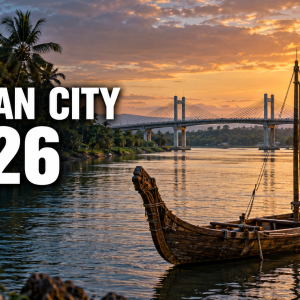
The vinta is a traditional boat known for its bright and beautifully patterned sail.
These boats are an important symbol of Zamboanga and the wider region. You may see them during cultural events, island tours, or regattas.
Photograph the boats respectfully and ask permission before taking close pictures of boat crews or local residents.
4. Explore Fort Pilar
Fort Pilar is one of Zamboanga City’s most important historic landmarks.
The Spanish-built fort has served different military and community purposes over several centuries. Today, its old stone walls remind visitors of the city’s long and complex history.
Walk around the public areas, read the historical information, and take time to appreciate the architecture.
5. Visit the Shrine of Our Lady of the Pillar
Built into the outer wall of Fort Pilar is the Shrine of Our Lady of the Pillar, also called Nuestra Señora La Virgen del Pilar.
The open-air shrine is an important place of prayer for many residents. Devotees visit to light candles, attend Mass, and ask for guidance.
Dress respectfully and remain quiet around people who are praying.
6. Visit the National Museum at Fort Pilar
The museum inside the Fort Pilar complex presents the history, culture, archaeology, and natural environment of the Zamboanga Peninsula.
Exhibits may include traditional boats, marine-life displays, textiles, pottery, historical objects, and information about the region’s communities.
Check the museum’s current opening days before visiting.
7. Watch the Sunset at Paseo del Mar
Paseo del Mar is a waterfront park beside Fort Pilar.
The area has walking paths, seating spaces, restaurants, food stalls, and views of the sea. It becomes livelier in the late afternoon and evening.
Order a local snack, enjoy the sea breeze, and stay for sunset. Follow any security checks at the entrance.
8. Walk Along R.T. Lim Boulevard
R.T. Lim Boulevard, sometimes called Cawa-Cawa Boulevard, is another popular waterfront area.
Local residents come here to exercise, eat street food, meet friends, and watch the sunset. Public events may also be held along the boulevard.
Visit in the late afternoon when the weather is cooler. Keep the shoreline clean and follow local safety rules.
9. Explore Zamboanga City Hall
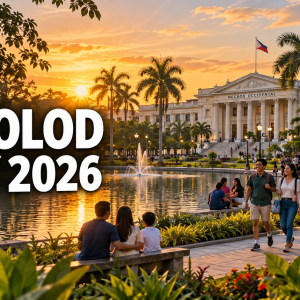
Zamboanga City Hall is a beautiful historic building in the center of the city.
Its architecture reflects the city’s Spanish and American colonial history. The surrounding area is good for a short heritage walk and photographs.
Because it is an active government building, public access inside may be limited. Photograph it from approved public areas.
10. Relax at Plaza Pershing
Plaza Pershing is a historic public square near City Hall.
The plaza has trees, seating areas, monuments, and open spaces. It is surrounded by busy streets, shops, and government buildings.
Visit during the morning or late afternoon and combine it with a walk around the downtown heritage district.
11. Visit Pasonanca Park
Pasonanca Park is one of the city’s best-known green spaces.
The park has trees, gardens, walking areas, pools, and places for family activities. Its famous tree house is one of the most photographed attractions.
Some facilities may be closed for maintenance or private activities. Check access before going and follow park rules.
12. Discover the Yakan Weaving Village
At the Yakan Weaving Village, visitors can see and buy colorful handwoven cloth made by Yakan artisans.
The textiles are known for detailed geometric patterns and bright colors. Products may include bags, table runners, clothing, scarves, and traditional fabrics.
Buy directly from legitimate artisans when possible. Ask permission before photographing people or the weaving process.
13. Visit Taluksangay Mosque
The Taluksangay Mosque is a historic mosque known for its bright red color.
It serves an active Muslim community and is not simply a tourist display. Visitors should arrange their trip respectfully, wear modest clothing, and ask before entering or taking photographs.
Avoid visiting during prayer unless you have been invited or given clear instructions.
14. Explore Once Islas
Once Islas is a group of 11 islands and islets located off Zamboanga City. Only selected islands are open for organized eco-tourism, and visitor numbers are controlled. The Department of Tourism advises guests to coordinate with the City Tourism Office at Paseo del Mar in advance.
Activities may include swimming, kayaking, snorkeling, short walks, and cultural experiences.
Advance booking is important. Follow your guide, wear a life jacket, and do not enter closed islands or protected sections.
15. See Merloquet Falls
Merloquet Falls is located in the eastern part of Zamboanga City, far from downtown.
Its wide rock formations create several levels of flowing water. The journey can take a few hours, and the final route may include uneven or slippery paths.
Travel with a trusted local guide or operator. Check road, weather, and waterfall conditions before leaving.
16. Shop at the Barter Trade Center
The Barter Trade Center is a popular place to shop for products linked to Zamboanga and nearby Southeast Asian communities.
You may find colorful fabrics, scarves, clothing, coffee, chocolates, snacks, household products, and souvenirs.
Compare prices, inspect products carefully, and bring cash for smaller purchases.
17. Try Curacha with Alavar Sauce
Curacha is a type of deep-sea crab widely connected with Zamboanga cuisine.
It is often served with a rich Alavar-style sauce made with coconut milk and spices. The dish can be messy to eat, but it is one of the city’s most memorable food experiences.
Ask about the price before ordering because seafood costs can change by size and season.
18. Eat Satti for Breakfast
Satti is a popular breakfast made with grilled meat served with rice cakes and a spicy red sauce.
The flavor is sweet, savory, and hot. Many small restaurants serve it early in the morning and sell out before lunchtime.
Ask for less sauce if you are not used to spicy food.
19. Try the Zamboanga Knickerbocker
The knickerbocker is a colorful dessert made with fresh fruit, jelly, milk or cream, and ice cream.
It is similar to halo-halo but has its own Zamboanga character. The cold dessert is perfect after walking around the city in warm weather.
20. Taste More Zamboangueño Food
Other dishes and products worth trying include:
- Pastil
- Lokot-lokot
- Baulo
- Tiula itum
- Beef kulma
- Grilled seafood
- Kinilaw
- Chupa culo
- Fresh tropical fruits
Some dishes come from the different Muslim, Christian, and indigenous communities of the region. Ask about the ingredients and enjoy them with respect for their cultural origins.
21. Experience the Zamboanga Hermosa Festival
The Zamboanga Hermosa Festival celebrates faith, culture, history, and the city’s devotion to Our Lady of the Pillar.
The 2026 celebration is planned for October, according to the city government. Events may include religious activities, parades, cultural performances, music, food fairs, and colorful vinta displays.
Confirm the final calendar and security rules before attending. Expect road closures, entrance checks, and large crowds.
Suggested Three-Day Zamboanga City Itinerary
Day 1: History and Culture
Start at Fort Pilar and visit the shrine and museum. Walk to Paseo del Mar, then explore City Hall and Plaza Pershing.
Have curacha or another local seafood dish for lunch. Spend the afternoon at the Yakan Weaving Village.
Finish your day with sunset at R.T. Lim Boulevard.
Day 2: Great Santa Cruz Island
Join a pre-arranged tour to Great Santa Cruz Island. Enjoy the beach and an approved lagoon or community activity.
Return to the city before dark and try a knickerbocker for dessert.
Day 3: Parks and Local Food
Start with satti for breakfast, then visit Pasonanca Park.
Spend the afternoon at the Barter Trade Center or join an approved cultural tour. If you want to visit Merloquet Falls or Once Islas, give either destination its own full day.
Practical Travel Tips for 2026
- Check travel advice: Review your government’s latest guidance before booking.
- Coordinate locally: Contact the Zamboanga City Tourism Office for current conditions and approved tours.
- Island visits: Never hire an unregistered boat or travel offshore without proper arrangements.
- Security: Cooperate with checkpoints, carry valid identification, and avoid restricted areas.
- Getting around: Use jeepneys, tricycles, taxis, or transportation arranged by your hotel or accredited operator.
- Weather: Boat trips may be cancelled because of rough seas